
High agent cognitive load
Agents compensate for fragmented tools and knowledge sources, increasing error rates and prolonging calls.
Lower AHT, improve FCR, and make QA consistent across teams by reducing operational variance at the moment-not after the call is over.
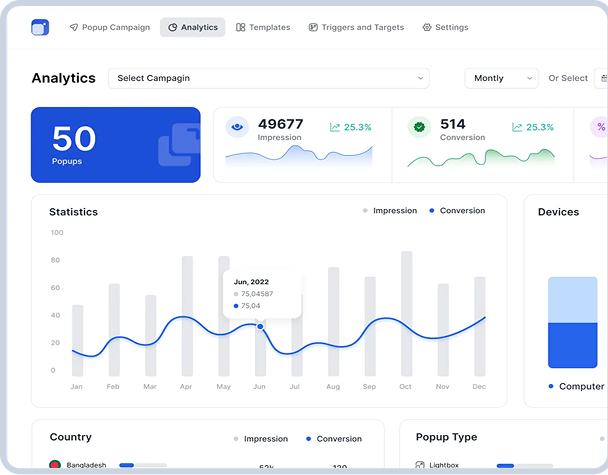







Why performance becomes inconsistent at scale
Agents compensate for fragmented tools and knowledge sources, increasing error rates and prolonging calls.
Sampling and manual scoring create inconsistency, leaving compliance and quality risks unmanaged.
Documentation and CRM wrap-up shift effort away from customers and inflate handling time.
Answers live across systems and documents, leading to inconsistent guidance and avoidable escalations.
Leaders see issues late and intervene reactively, rather than steering outcomes during interactions.
Each step is designed to reduce risk, align stakeholders, and ensure predictable outcomes.
We start by understanding how your systems, data, and processes actually work today. Through interviews, documentation review, and technical analysis, we identify hidden dependencies, risks, and bottlenecks that are not visible from dashboards or reports.

We compare your current state with business goals, regulatory requirements, and future scale expectations. This allows us to clearly identify what is missing, what creates risk, and what limits growth or automation.

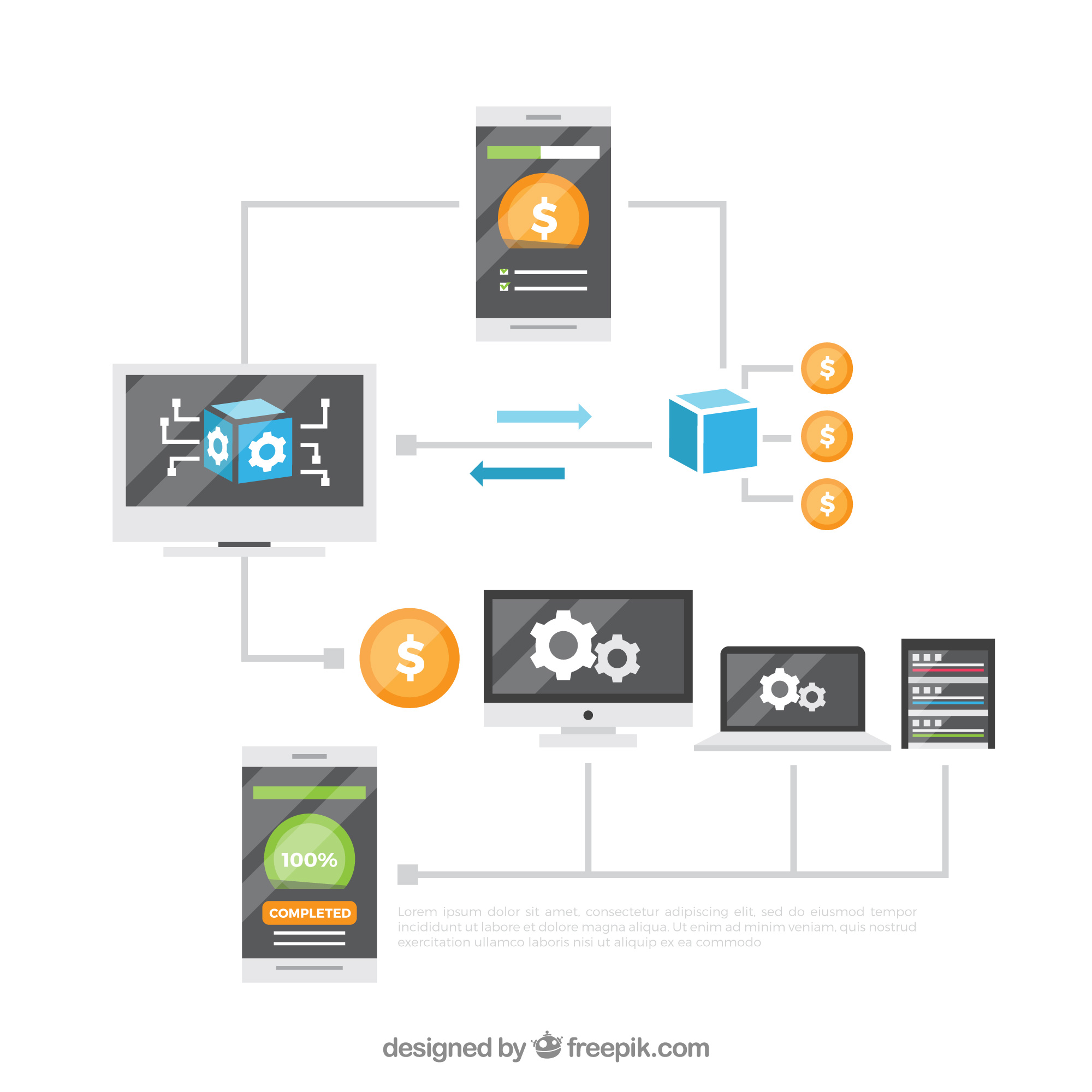
Based on the findings, we design a target architecture and operating model that is secure, scalable, and maintainable. This includes architecture diagrams, data flows, access models, governance principles, and solution options.

We translate architecture into an actionable plan. This includes a phased roadmap, dependencies, quick wins, and a prioritized backlog that balances speed, risk, and business value.

We provide clear, implementation-ready artifacts that turn analysis into action and measurable progress.

A structured overview of your current architecture, dependencies, risks, and improvement areas.
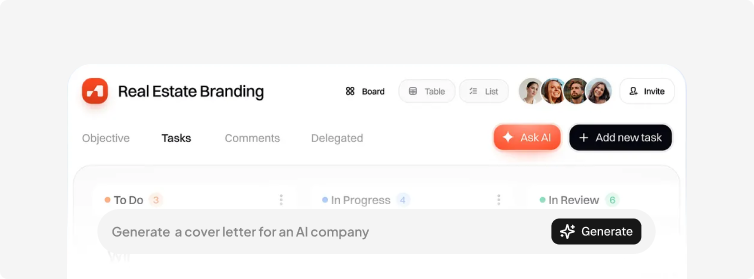
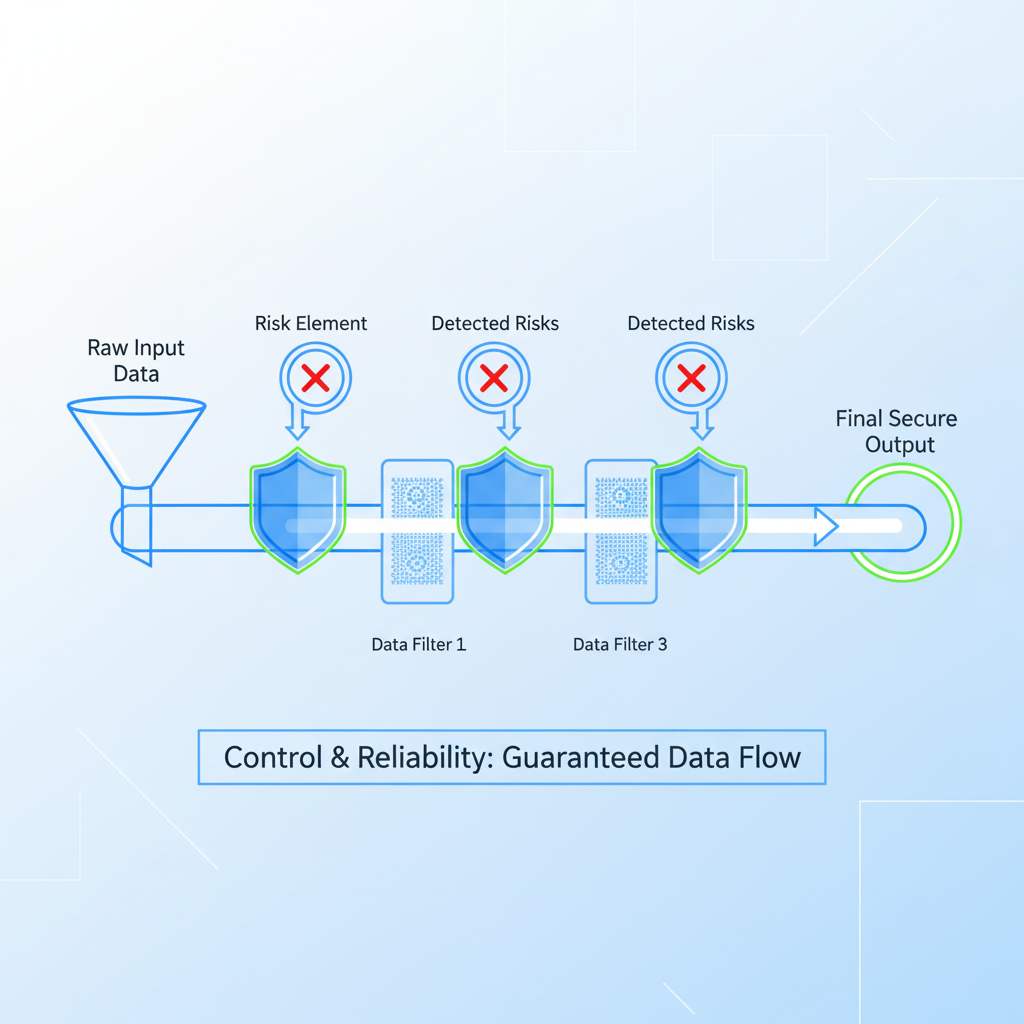
Defined rules, access models, and control mechanisms embedded directly into the solution design.

A visual blueprint of the future-state architecture designed for scale, security, and clarity.
A clear view of regulatory, security, and operational risks across systems and data flows.

A phased plan outlining what will be delivered, when, and in which order.
A prioritized list of epics and tasks required to move from design to execution.
A set of metrics and controls to monitor performance, risk, and ongoing compliance.
Organizations typically start this engagement when growth, risk, or complexity exceed existing controls.

New initiatives require a clear architecture, governance, and risk model from the start.
What worked locally no longer scales without shared standards and controls.
External requirements expose gaps that were previously manageable or invisible.
Recurring issues often indicate structural problems, not isolated mistakes.

Formal reviews require documented architecture, controls, and traceability.

Merging systems creates complexity that must be redesigned, not patched.
New initiatives require a clear architecture, governance, and risk model from the start.
What worked locally no longer scales without shared standards and controls.
External requirements expose gaps that were previously manageable or invisible.
Recurring issues often indicate structural problems, not isolated mistakes.
Formal reviews require documented architecture, controls, and traceability.
Merging systems creates complexity that must be redesigned, not patched.
Explore Our Most Commonly Asked Questions and Find the Information You Need.
Share a few details, and we'll outline a pilot - scope, timeline, success criteria, and expected KPI impact.
A short assessment is often enough to uncover risks, opportunities, and the right path forward.
Share a few details about your operations, and we'll outline what a focused pilot could look like - scope, timeline, and expected outcomes.