Systems do not support the real flow
WMS, ERP, TMS, yard, and operational steps often work as separate layers, creating friction across receiving, storage, picking, staging, and dispatch.
Improve warehouse and 3PL performance with connected WMS/ERP/TMS workflows, voice-enabled execution, operational visibility, and scenario-tested changes before rollout.








Why warehouse and 3PL operations lose speed, control, and reliability
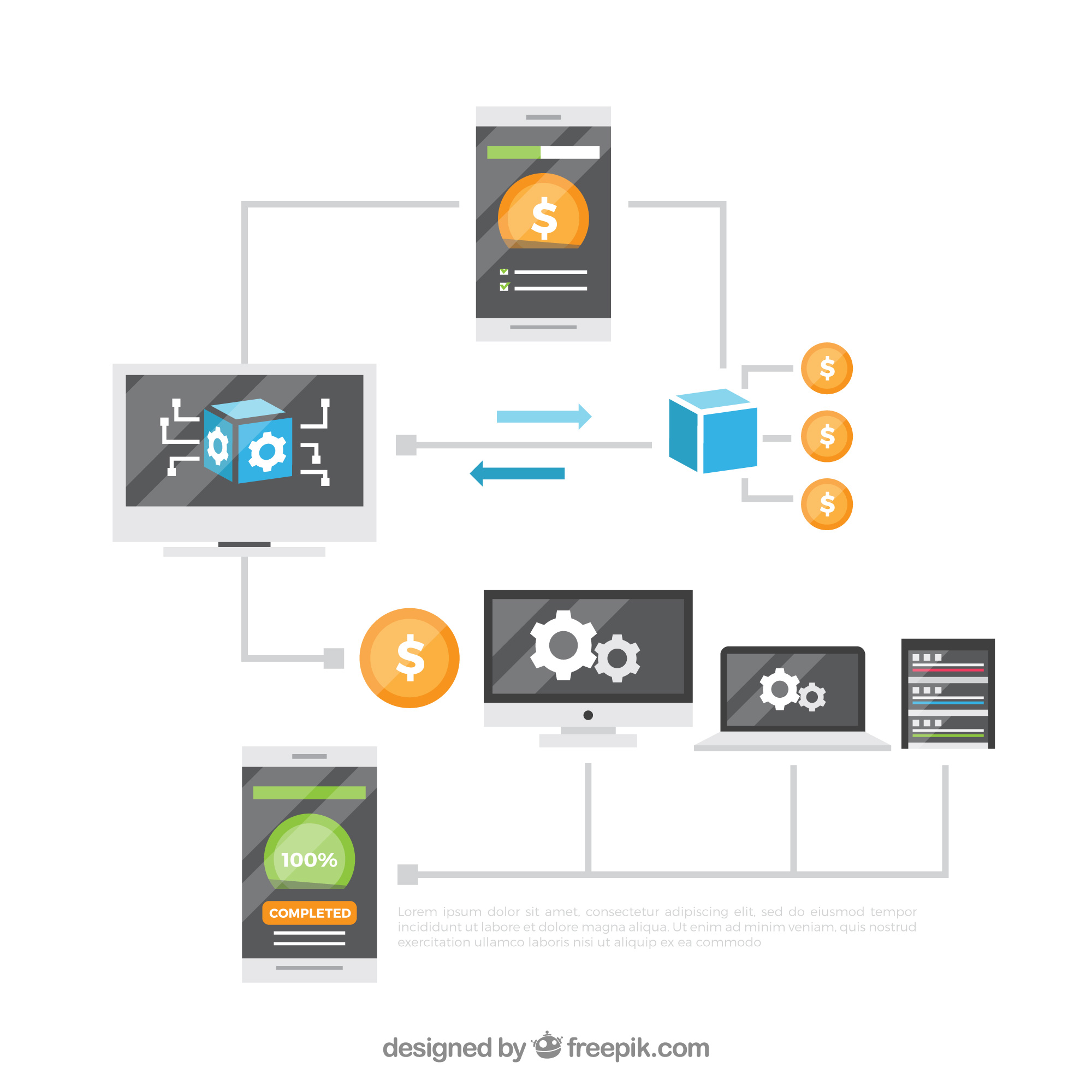
WMS, ERP, TMS, yard, and operational steps often work as separate layers, creating friction across receiving, storage, picking, staging, and dispatch.
Supervisors, pickers, dispatchers, and dock teams lose time switching between screens, radios, spreadsheets, and chat instead of executing in one controlled flow.
Queues, dock congestion, pallet movement, exceptions, and safety-related events are not always visible early enough to prevent disruption.
Layout, slotting, staffing, and process changes often go live without scenario testing, making peaks, shifts, and new volumes harder to absorb.
As volumes, sites, clients, or service levels grow, disconnected workflows and reactive customization make warehouse performance harder to manage.
Built to align systems, frontline execution, visibility, and scalable operational change
We map how your warehouse actually runs today across WMS, ERP, TMS, yard, labor, and exception handling. This helps us identify where flow breaks, where teams rely on workarounds, and where better orchestration is needed.

We define the right solution mix for your operation: workflow and data improvements in WMS/ERP/TMS, voice-enabled execution for frontline teams, computer vision where it improves visibility, and simulation where changes should be tested before rollout.

We validate the proposed approach in a focused scope, measuring operational impact before full deployment. This can include scenario testing, targeted workflow rollout, frontline voice commands, or visibility checkpoints in the most critical areas.

We implement the selected solution components, connect them with your existing landscape, and scale by site, workflow, or client account. The roadmap is designed around operational stability, adoption, and measurable performance gains.

We provide practical, implementation-ready outputs that connect operational analysis with execution, technology decisions, and measurable improvement.

A structured view of current warehouse flows, system dependencies, bottlenecks, and operational risks.
Defined workflows, approvals, roles, and control points aligned with warehouse and 3PL operations.

A clear future-state design covering WMS/ERP/TMS workflows, integrations, voice, visibility, and supporting systems.

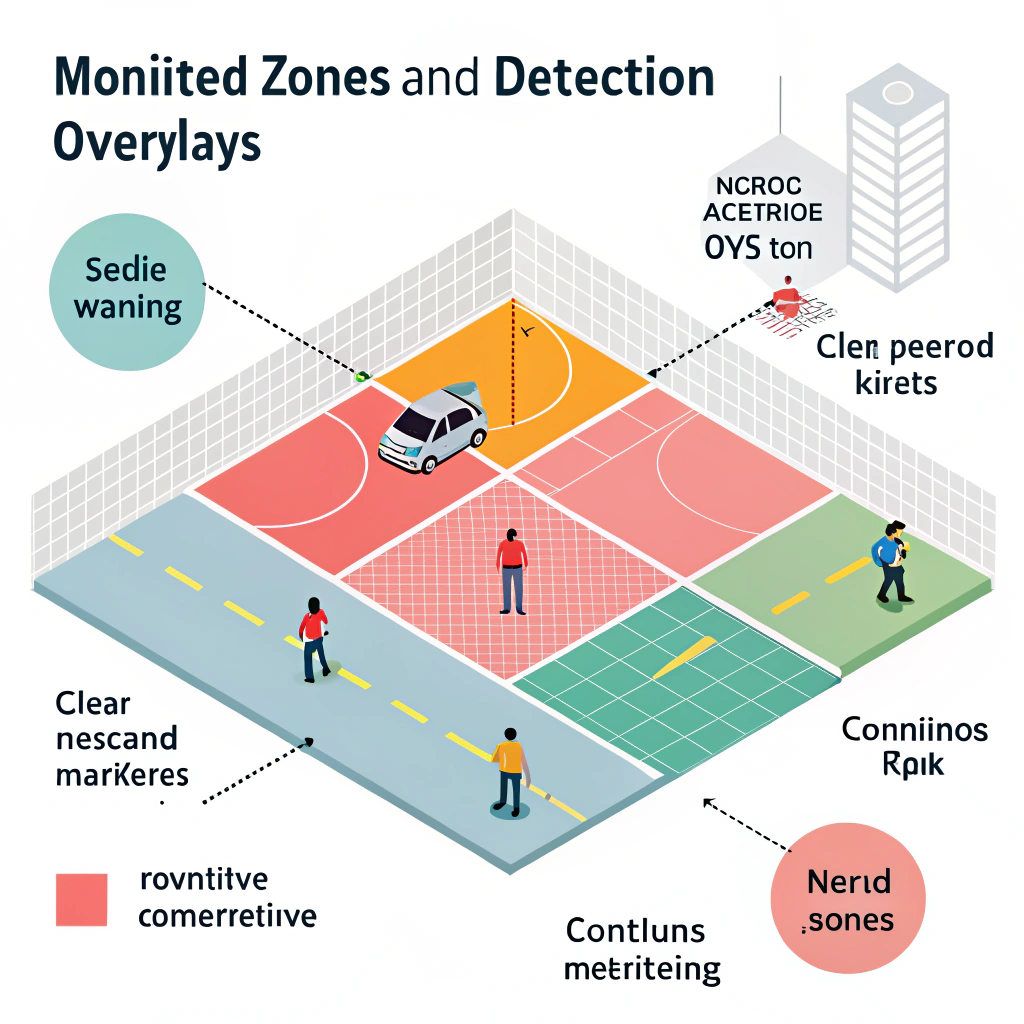
A practical map of key operational risks, exception points, congestion zones, and visibility requirements.

A phased plan showing what will be piloted, implemented, and scaled across workflows or sites.
A prioritized backlog covering system changes, integrations, frontline tools, visibility use cases, and rollout tasks.
A set of metrics to track throughput, SLA stability, congestion, labor efficiency, and rollout impact.
Warehouse and 3PL organizations usually start this engagement when operational growth, variability, or complexity begin to exceed current systems and coordination models.

New clients, channels, service models, or operational changes create pressure that current workflows cannot absorb cleanly.
Throughput may look acceptable in normal periods, but peaks, delays, and congestion expose weak coordination across the flow.
Teams lose time on status checks, manual updates, and exception handling because core systems do not support the full process.
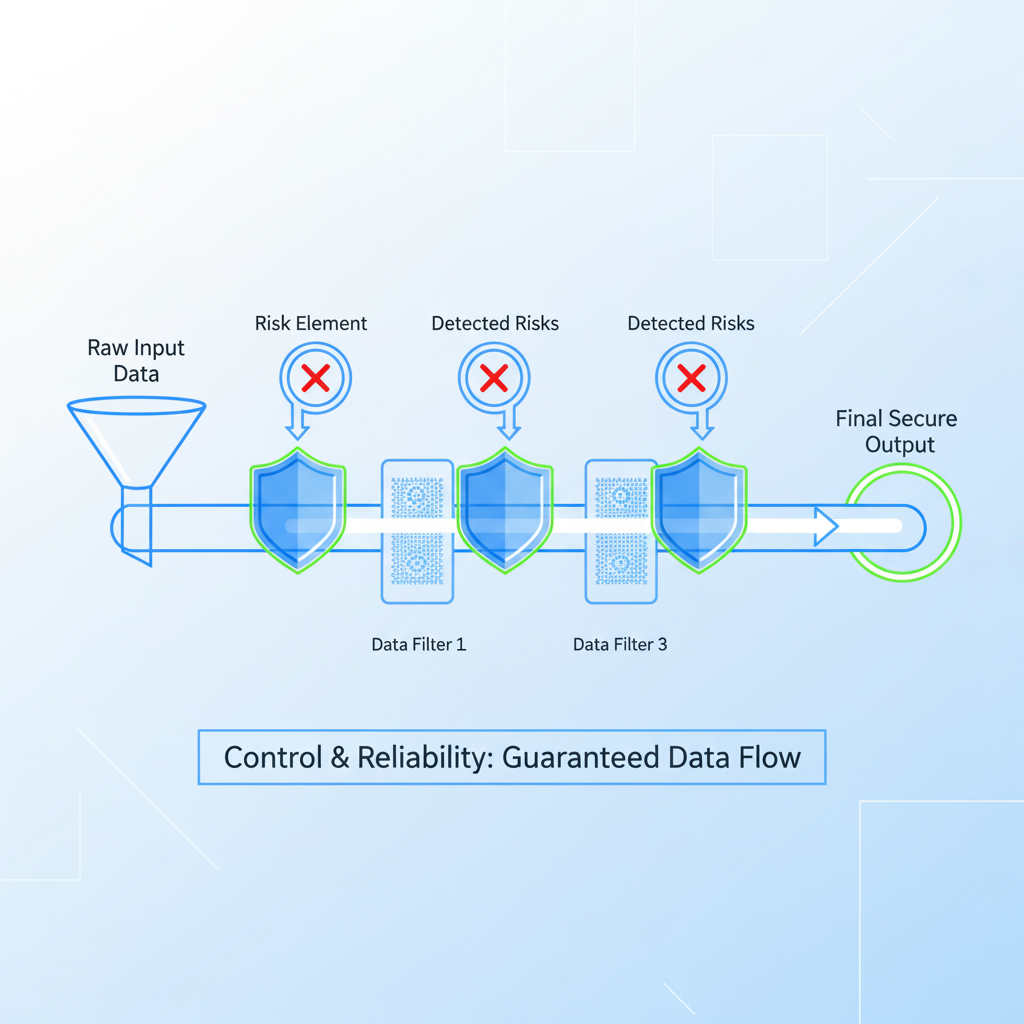
Congestion, queues, missing proof, or late detection of exceptions create avoidable delays and operational risk.

Slotting, staffing, layout, and process decisions need simulation or controlled pilots before they are rolled out live.

Radio calls, spreadsheets, messaging, and fragmented updates slow execution and make accountability harder to maintain.
New initiatives require a clear architecture, governance, and risk model from the start.
Throughput may look acceptable in normal periods, but peaks, delays, and congestion expose weak coordination across the flow.
Teams lose time on status checks, manual updates, and exception handling because core systems do not support the full process.
Congestion, queues, missing proof, or late detection of exceptions create avoidable delays and operational risk.
Explore Our Most Commonly Asked Questions and Find the Information You Need.
Share a few details, and we'll outline a practical warehouse solution — scope, pilot options, rollout approach, and expected operational impact.