Store workflows are split across disconnected systems
Store operations, promotions, CRM activity, task management, and reporting often live in separate tools, slowing response and weakening execution control.
Turn store operations, customer workflows, and execution data into faster decisions, better discipline, and measurable retail performance.
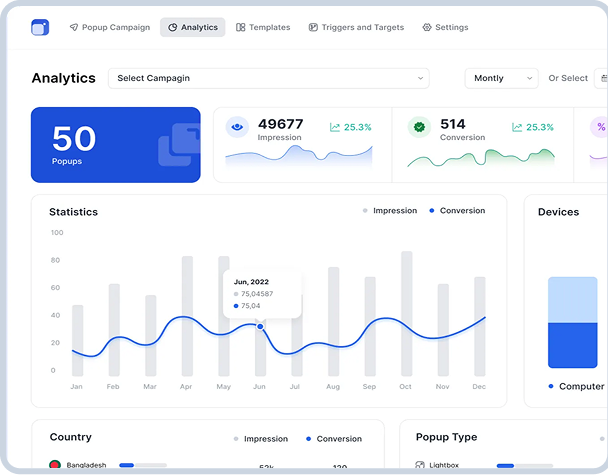








Why retail performance breaks between plans, systems, and real store execution
Store operations, promotions, CRM activity, task management, and reporting often live in separate tools, slowing response and weakening execution control.
Planograms, promo setup, and on-shelf reality are often checked late or manually, so managers see the issue after sales are already affected.
Store teams switch between handhelds, radios, calls, and back-office systems instead of resolving customer and execution tasks quickly on the floor.
Queue spikes, empty shelves, damages, and safety issues are often noticed too late to prevent customer impact, revenue loss, or avoidable disruption.
Changes in staffing, layouts, replenishment, or execution rules are often rolled out broadly without scenario testing or KPI-based validation.
Designed to align store execution, customer experience, and commercial control
We review store processes, ERP/CRM flows, service tasks, staffing logic, and operational data to understand where execution breaks between headquarters, stores, and customer-facing teams.

We define the right solution mix for the business: ERP/CRM workflows, voice support for frontline teams, computer vision for store visibility, and simulation for staffing, layout, or process decisions.

We connect the selected capabilities to real operations, validate them in a focused pilot, and measure the impact on queues, availability, execution discipline, and store responsiveness.

We scale the solution through phased rollout, process refinement, and KPI tracking—so improvements hold across stores, regions, formats, and peak periods.

We provide implementation-ready outputs that connect retail strategy, store reality, and measurable operational improvement.

A structured view of current store processes, systems, pain points, and execution gaps across operations, service, and customer-facing workflows.
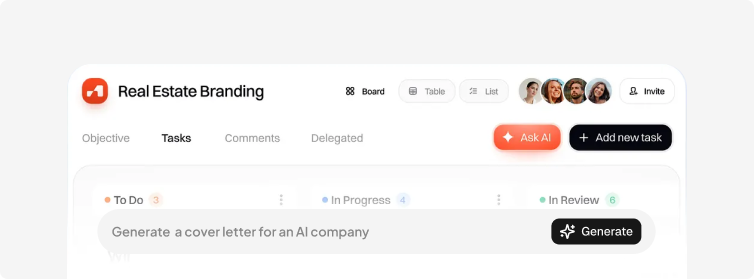
Defined store workflows, ownership, escalation rules, and control points across HQ, field managers, and frontline teams so execution is repeatable.
A practical blueprint showing how ERP, CRM, POS, store tools, voice workflows, video analytics, and data flows work together.
A focused pilot definition covering store groups, scenarios, success criteria, alerts, reports, and operational controls.

A phased rollout plan covering pilot, rollout waves, dependencies, training, stabilization, and measurable KPI checkpoints.
A prioritized backlog for workflow changes, integrations, custom development, store automation, reporting, and execution visibility needs.
A KPI set covering availability, queue performance, service execution, staffing efficiency, promo discipline, and commercial impact.
Retail teams usually start this work when growth, store complexity, or execution gaps begin to affect sales and customer experience.

Standards, promo setup, service levels, and task completion differ from store to store, reducing consistency and making rollout harder to control.
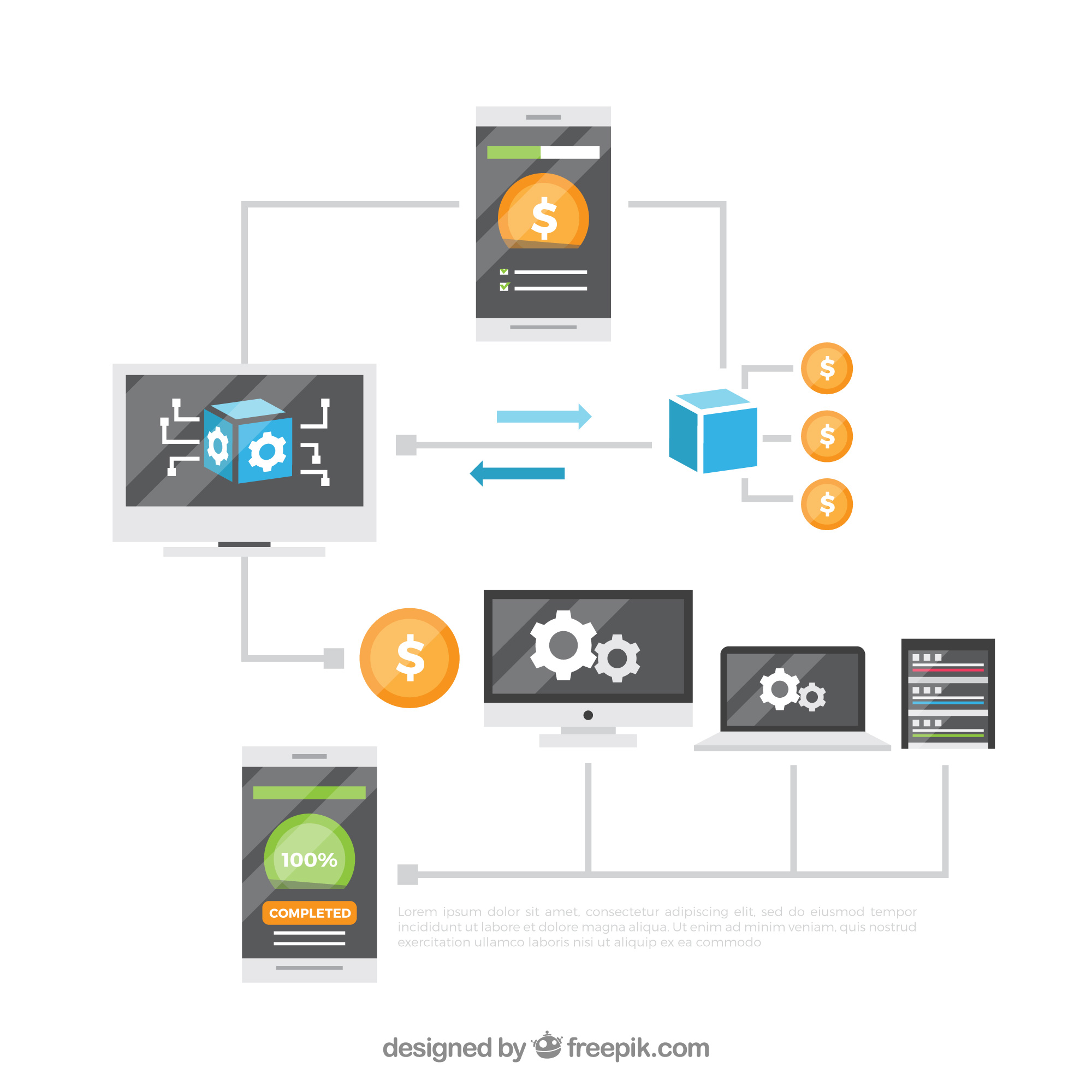
Peak-hour traffic, shelf availability, and labor allocation can no longer be managed well enough through reports and manual checks alone.
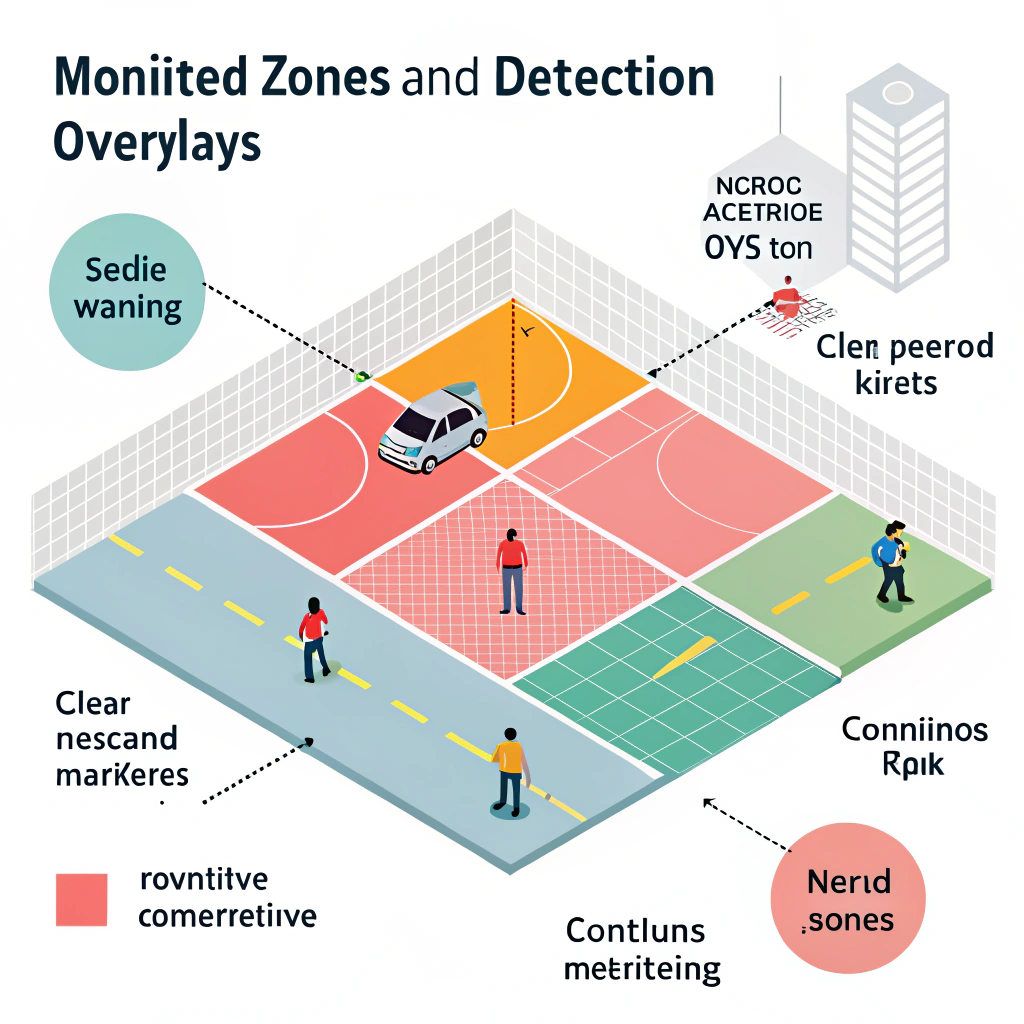
Core systems exist, but they do not support daily frontline workflows, store feedback loops, or fast operational follow-through.
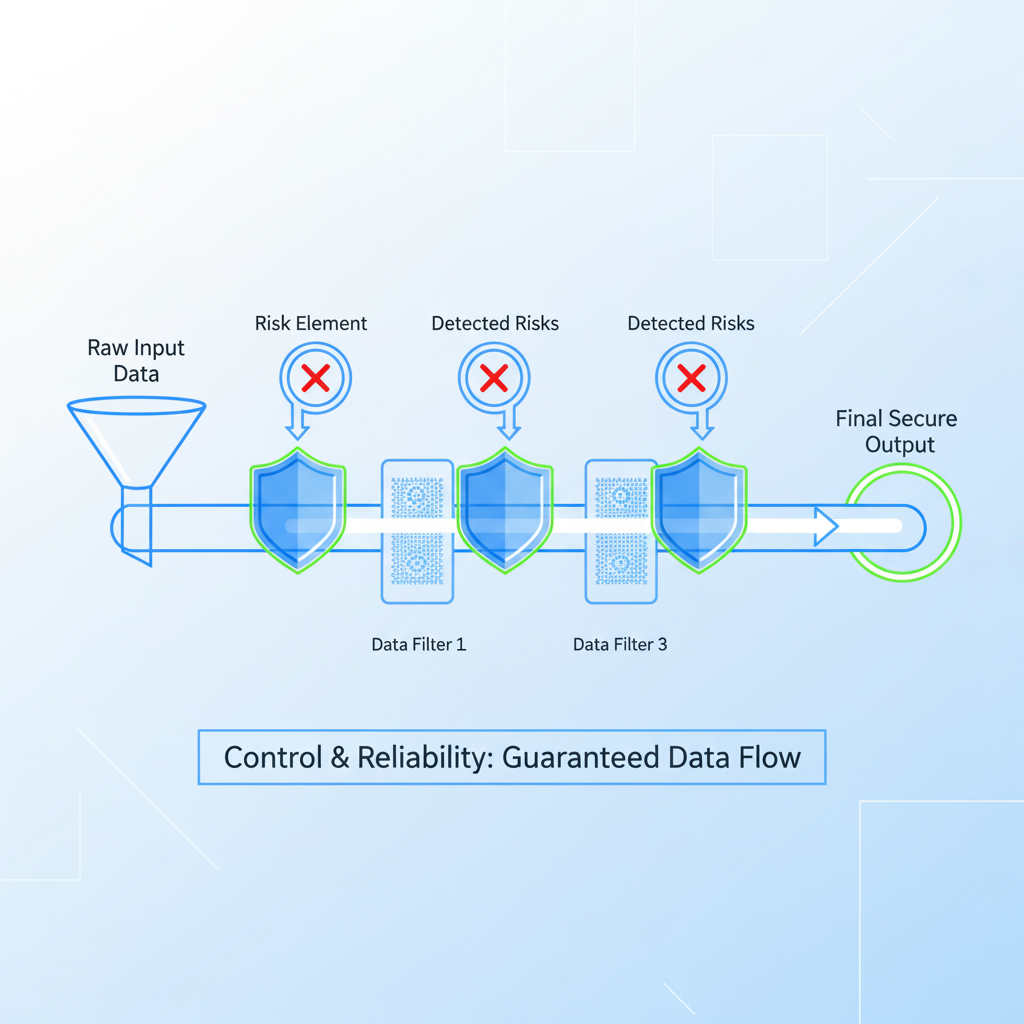
Damages, anomalies, queue spikes, and safety issues require earlier detection, clearer evidence, and faster action in store operations.

Expansion requires repeatable workflows, stronger controls, and the ability to test decisions before scaling them broadly.

Leadership needs to compare staffing, layout, process, and service scenarios against real KPI impact, not intuition alone.
Standards, promo setup, service levels, and task completion differ from store to store, reducing consistency and making rollout harder to control.
Peak-hour traffic, shelf availability, and labor allocation can no longer be managed well enough through reports and manual checks alone.
Core systems exist, but they do not support daily frontline workflows, store feedback loops, or fast operational follow-through.
Damages, anomalies, queue spikes, and safety issues require earlier detection, clearer evidence, and faster action in store operations.
Common questions about retail operations solutions, implementation scope, and rollout.
Share your priorities, and we'll outline the right solution mix, rollout path, and expected KPI impact for real store operations.