Production data is fragmented across systems
ERP, MES, QMS, CMMS, spreadsheets, and local tools rarely support one operational timeline, making decisions slower and less reliable.
Connect production, quality, maintenance, and frontline teams through integrated ERP/MES workflows, voice-driven execution, computer vision, and simulation-led operational decisions.
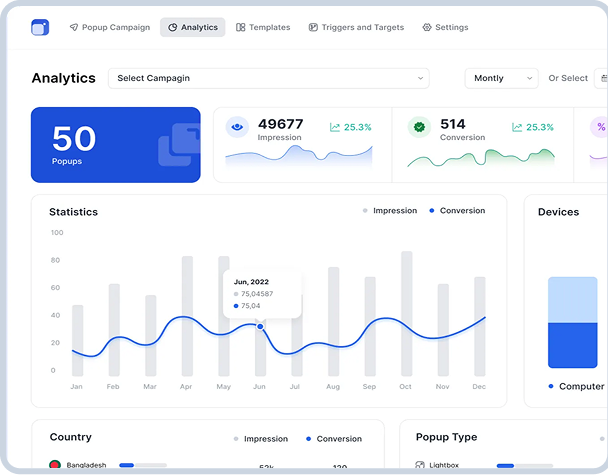








Why manufacturing performance breaks between systems, people, and the shop floor
ERP, MES, QMS, CMMS, spreadsheets, and local tools rarely support one operational timeline, making decisions slower and less reliable.
Manual confirmation and delayed review make it harder to prove what happened, respond quickly, and improve root-cause discipline.
Capacity, staffing, changeovers, and micro-stoppages behave differently by line, shift, and product mix, but planning models stay too generic.
Critical actions are still coordinated through calls, paper notes, radios, and chat instead of structured workflows connected to core systems.
Layout, staffing, sequencing, automation, and policy changes are often rolled out without scenario testing, increasing delivery risk and rework.
Designed for measurable production improvement — not just better reporting
We map how production, quality, maintenance, logistics, and planning actually work today across ERP, MES, QMS, CMMS, spreadsheets, and frontline communication. This shows where process friction, data gaps, and execution delays are created.

Based on the current state, we define the target workflow model, system roles, integrations, visibility layer, and decision logic needed for stable manufacturing operations across lines and sites.

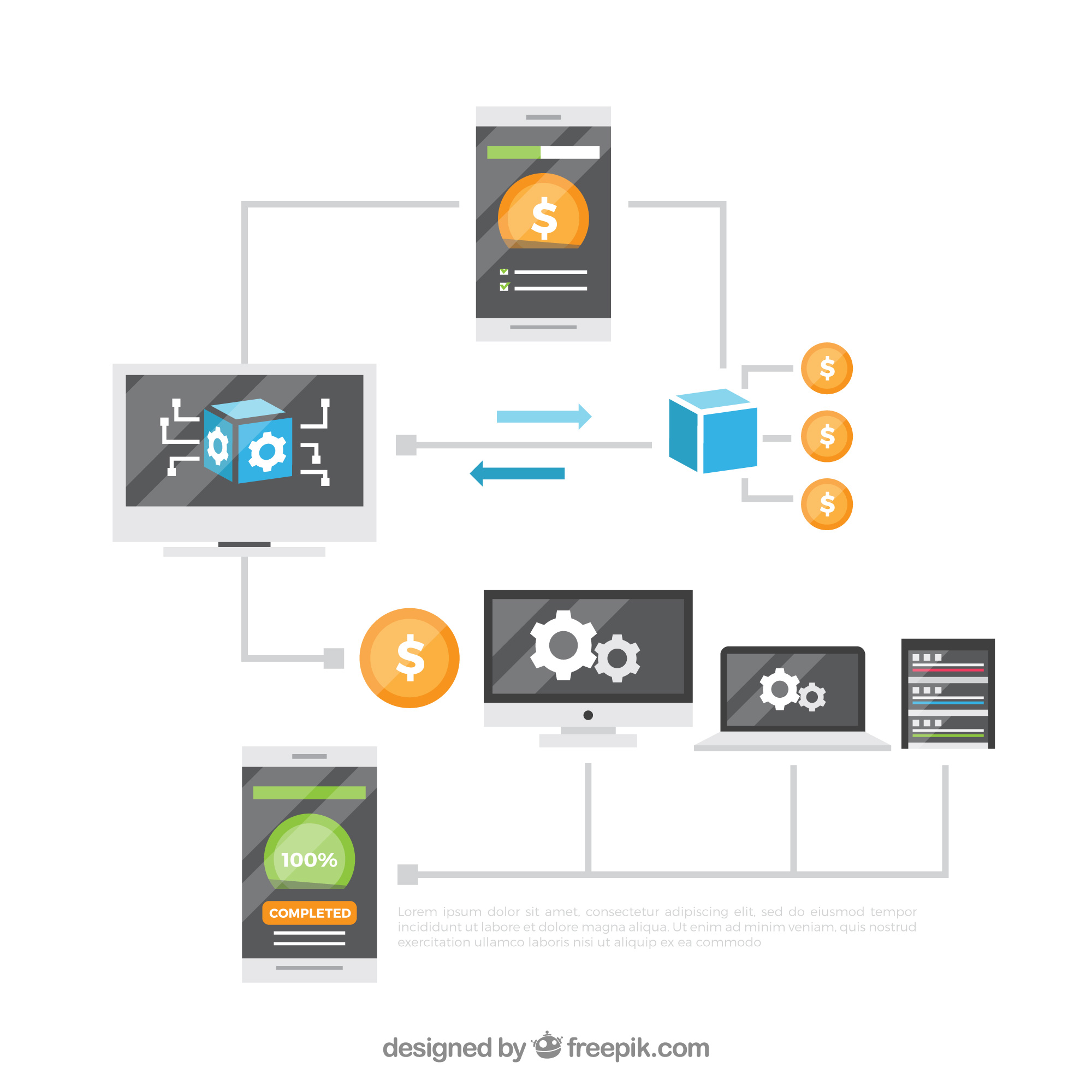
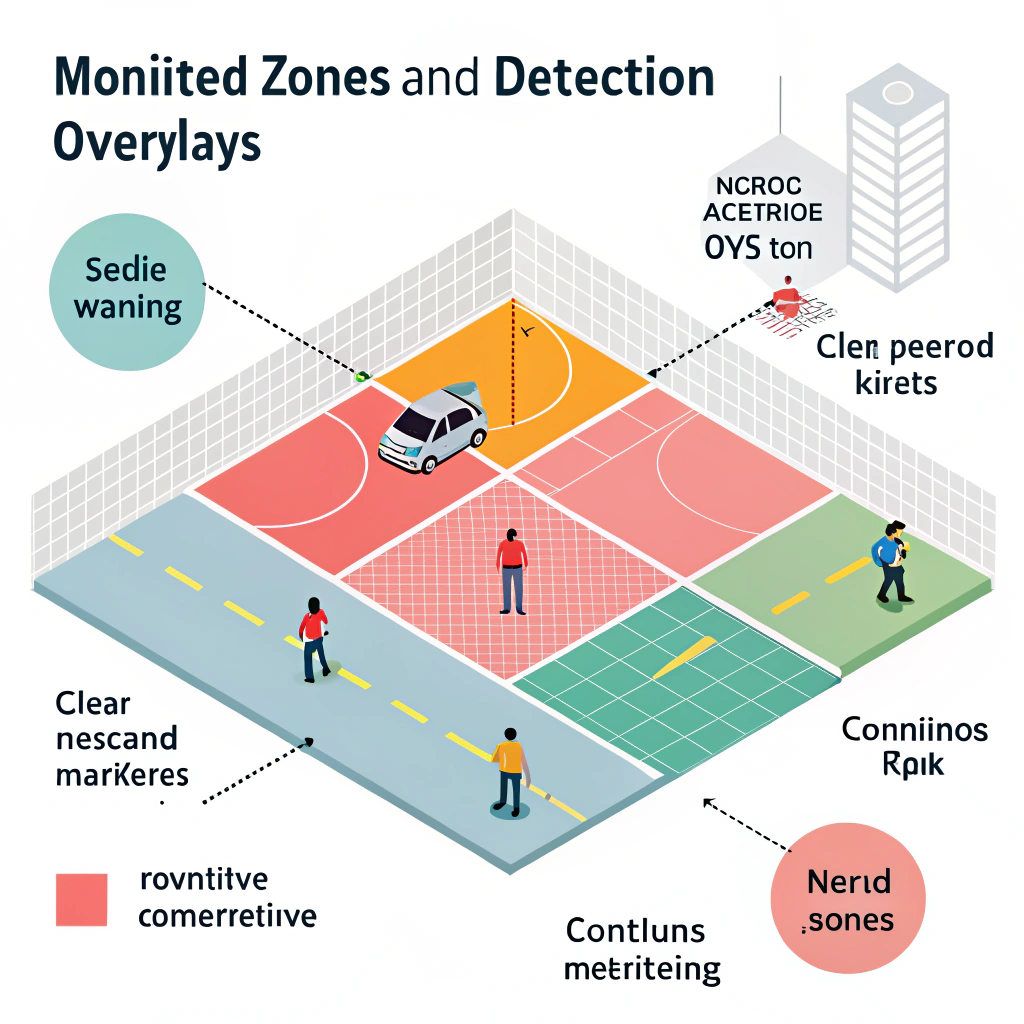
We combine proven solution components with tailored development: ERP/CRM and operational workflow customization, voice assistants for operators and technicians, computer vision for monitoring and evidence, and simulation models for capacity and scenario testing.

We validate the target design through focused pilots, then support implementation, integrations, rollout, adoption, and KPI tracking so the solution works in daily production — not only in a presentation.

From architecture and workflows to pilot scope and KPI logic — everything needed to move from analysis to implementation.

A structured view of how ERP, MES, QMS, CMMS, planning, and frontline processes work today — including gaps, bottlenecks, and dependencies.

Defined roles, escalation rules, approvals, and control principles for production, quality, maintenance, and frontline execution.

A future-state blueprint covering core systems, data flows, integrations, and the operational visibility layer across plant workflows.
A clear design for where voice assistants, computer vision, alerts, confirmations, and event evidence add measurable operational value.

A phased plan showing where to start, how to pilot safely, and how to scale improvements across lines, shifts, or sites.
A prioritized list of configuration tasks, custom development, integrations, and operational changes required for delivery.
A KPI model tying throughput, downtime, quality, response times, and scenario testing to measurable business outcomes.
Manufacturers typically start this work when operational complexity exceeds what disconnected systems and local fixes can handle.

Growth across lines, products, or sites requires common workflows, integrated systems, and clearer execution discipline.
Repeated incidents often point to missing event visibility, weak escalation flows, or poor integration between maintenance, quality, and production.
New technologies create value only when they are connected to real workflows, decision rights, and measurable KPIs.
ERP, MES, quality, and maintenance processes no longer align with what operators, supervisors, and technicians need in real time.

Local workarounds stop scaling when leadership needs consistent processes, comparable KPIs, and repeatable rollout models.

Before committing to major changes, teams need scenario testing, pilot logic, and a safer way to predict operational impact.
Growth across lines, products, or sites requires common workflows, integrated systems, and clearer execution discipline.
Repeated incidents often point to missing event visibility, weak escalation flows, or poor integration between maintenance, quality, and production.
New technologies create value only when they are connected to real workflows, decision rights, and measurable KPIs.
ERP, MES, quality, and maintenance processes no longer align with what operators, supervisors, and technicians need in real time.
Key questions about how this manufacturing solution is structured, delivered, and scaled.
Share a few details, and we'll outline the scope, target workflows, pilot options, timeline, and expected KPI impact for your production environment.