Processes are forced into the system
Teams are forced to work around rigid system logic, creating friction, delays, and low adoption across daily operations.
Implement and customize ERP and CRM solutions around your workflows, data, and operational needs—so teams gain control, adoption, and scalable execution.
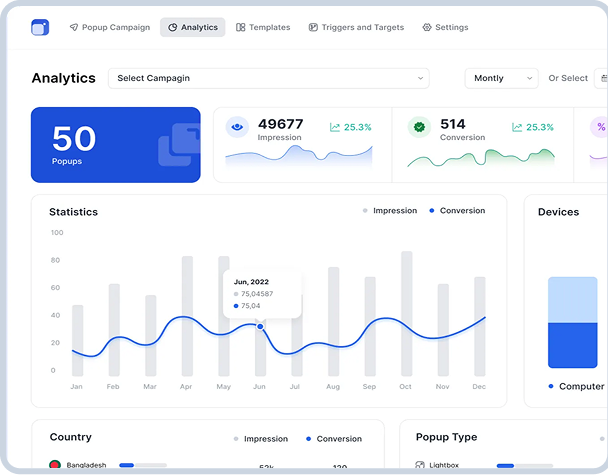








Why ERP and CRM initiatives fail to deliver business value
Teams are forced to work around rigid system logic, creating friction, delays, and low adoption across daily operations.
Customer, sales, finance, and operational data remain disconnected, limiting visibility and slowing decision-making.
New requirements are solved through patches and manual workarounds instead of a structured extension model.
ERP, CRM, and surrounding tools are connected inconsistently, creating gaps between business steps and system behavior.
The system may go live technically, but teams do not fully adopt it, and expected business improvements never materialize.
Built to align the product base with real business processes and delivery constraints
We start by understanding your business processes, current systems, and operational constraints. This helps define where a proven ERP or CRM foundation fits, what must be adapted, and what should be built additionally.

We design how workflows, data structures, roles, permissions, and integrations should work in practice. Where standard functionality is not enough, we define the required extensions and custom logic.

We configure the solution, develop the agreed extensions, and connect it with surrounding systems. Each part is validated against real process scenarios before wider rollout.

We support rollout in a controlled way, helping teams adopt the solution in daily work. The goal is not only a successful launch, but stable usage, measurable impact, and room for future growth.

We provide practical, implementation-ready artifacts that turn requirements and customization decisions into controlled delivery.

A clear view of current processes, systems, constraints, and where the product base fits best.
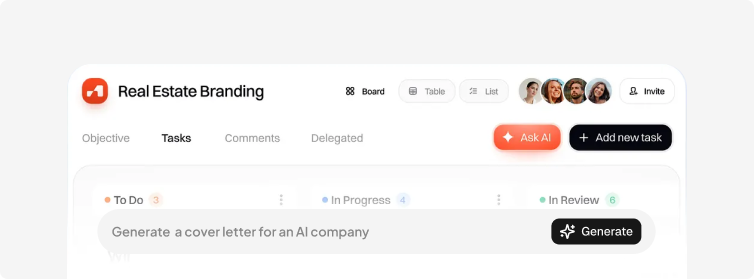
Role models, permissions, and operating principles defined for real business usage and control.
A visual blueprint of workflows, system behavior, and integrations required for the target setup.
A structured view of what will be configured, extended, integrated, or built additionally.

A phased delivery plan covering priorities, dependencies, rollout waves, and expected milestones.
A prioritized list of custom features, integrations, and delivery tasks needed for execution.
A set of metrics to track adoption, process quality, and business impact after launch.
Companies typically start this engagement when ERP or CRM no longer supports real business processes, growth, or operational control.

Teams rely on spreadsheets, manual workarounds, or side tools because the current system does not reflect how work actually happens.
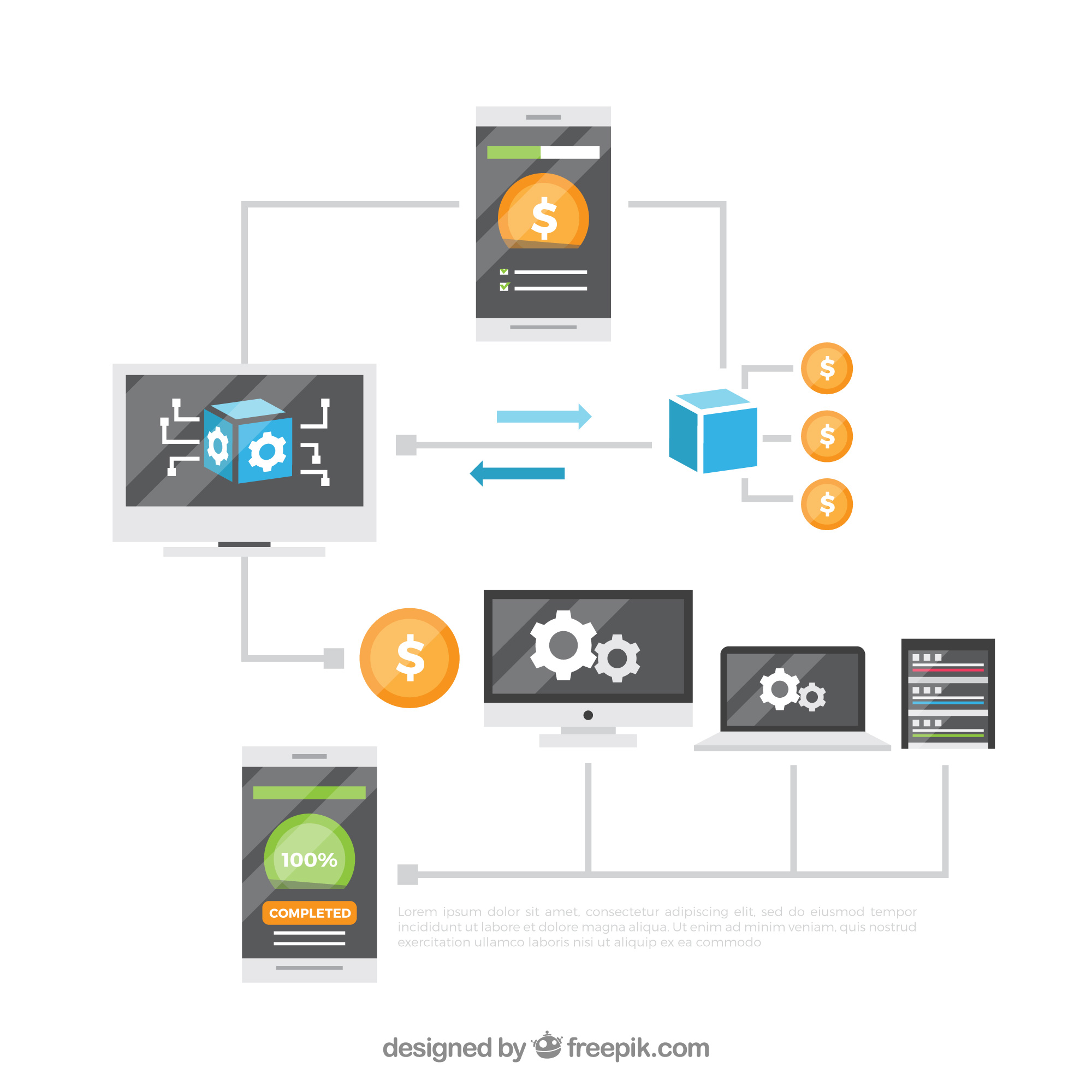
As the company grows, inconsistent processes, duplicate data, and disconnected teams reduce visibility and control.
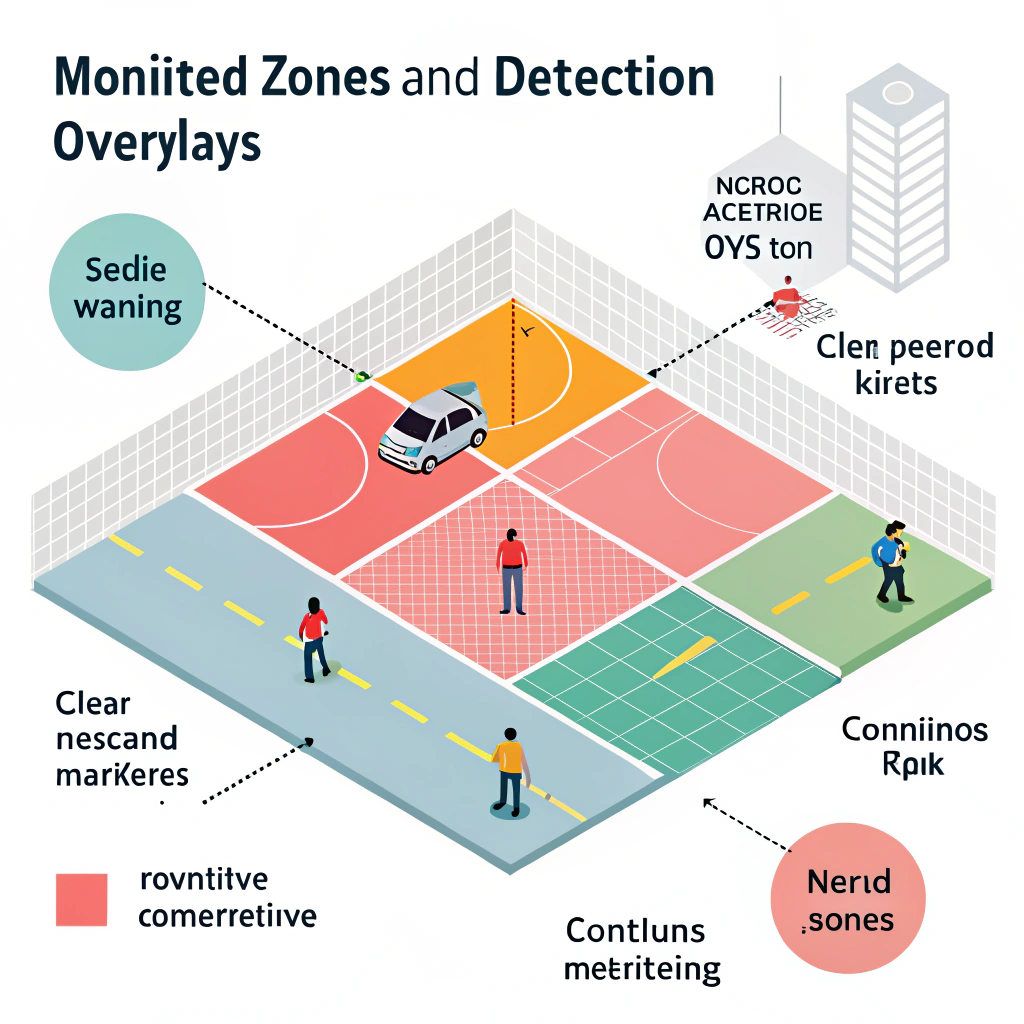
Standard product functionality is not enough, and the business needs tailored workflows, rules, and extensions.
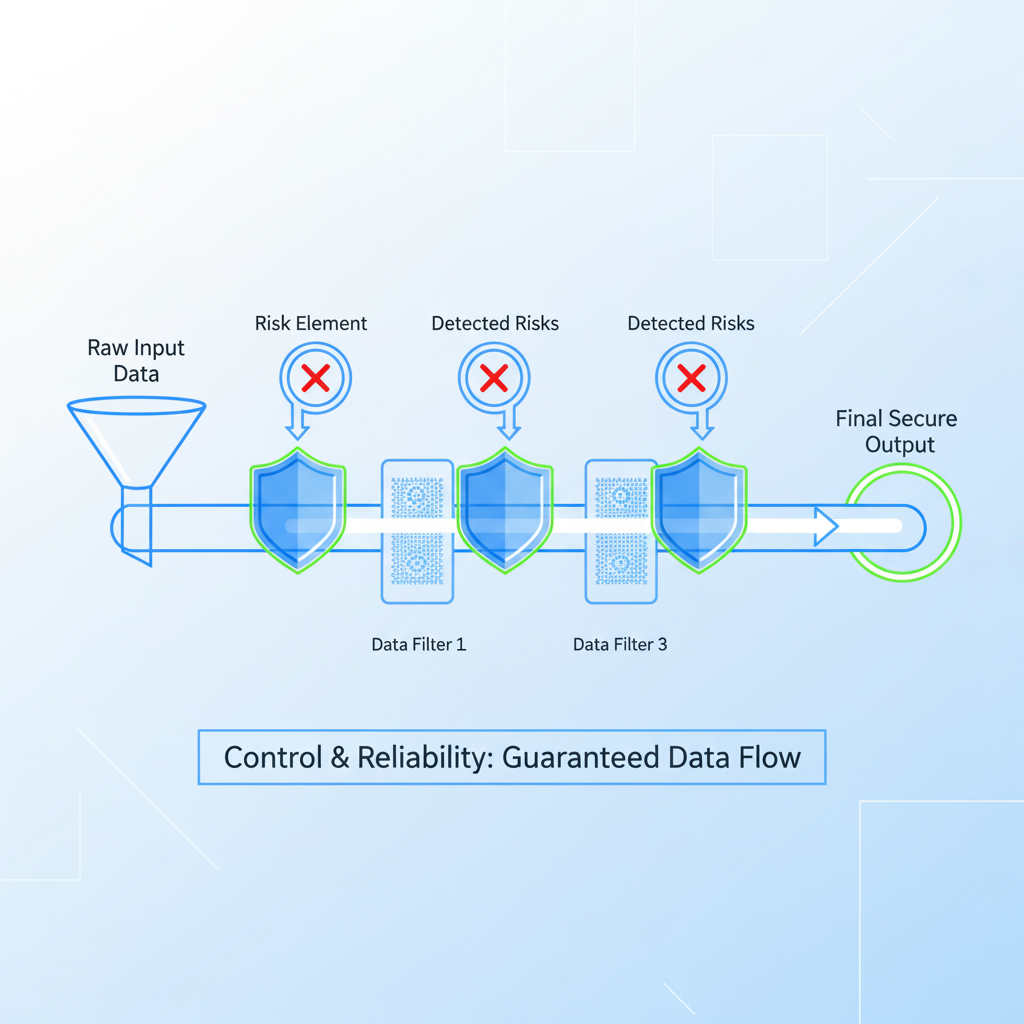
ERP, CRM, finance, support, or operations tools do not work together reliably, creating delays and rework.

The system may be live, but teams avoid using it fully, and expected business improvements are not being achieved.

You want to implement or modernize ERP / CRM in phases, with clear scope, priorities, and measurable impact.
New initiatives require a clear architecture, governance, and risk model from the start.
As the company grows, inconsistent processes, duplicate data, and disconnected teams reduce visibility and control.
Standard product functionality is not enough, and the business needs tailored workflows, rules, and extensions.
ERP, CRM, finance, support, or operations tools do not work together reliably, creating delays and rework.
Common questions about ERP / CRM implementation, customization, and rollout.
Share a few details, and we will outline a practical next step — scope, customization areas, delivery approach, and rollout priorities.